Ventilation for Rental Properties — A Landlord’s Compliance Guide
Our companion guide covers what the Healthy Homes Standards actually require for ventilation. This one is the practical follow-up — the steps to actually get a rental property compliant, in order.
Step 1 — get an assessment of what’s already there
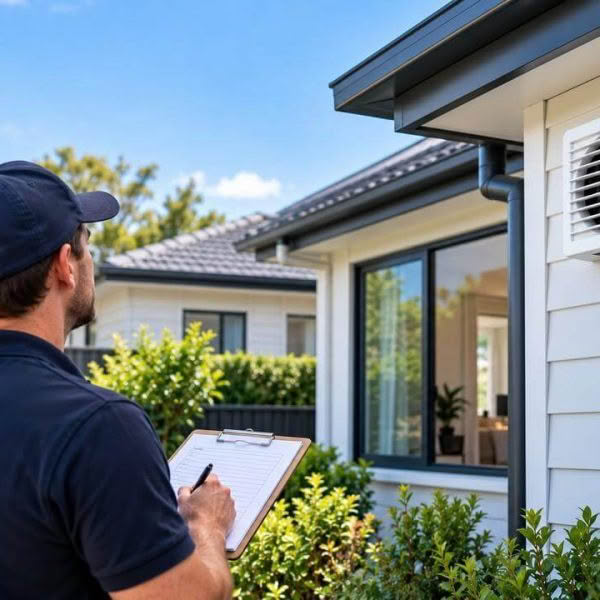
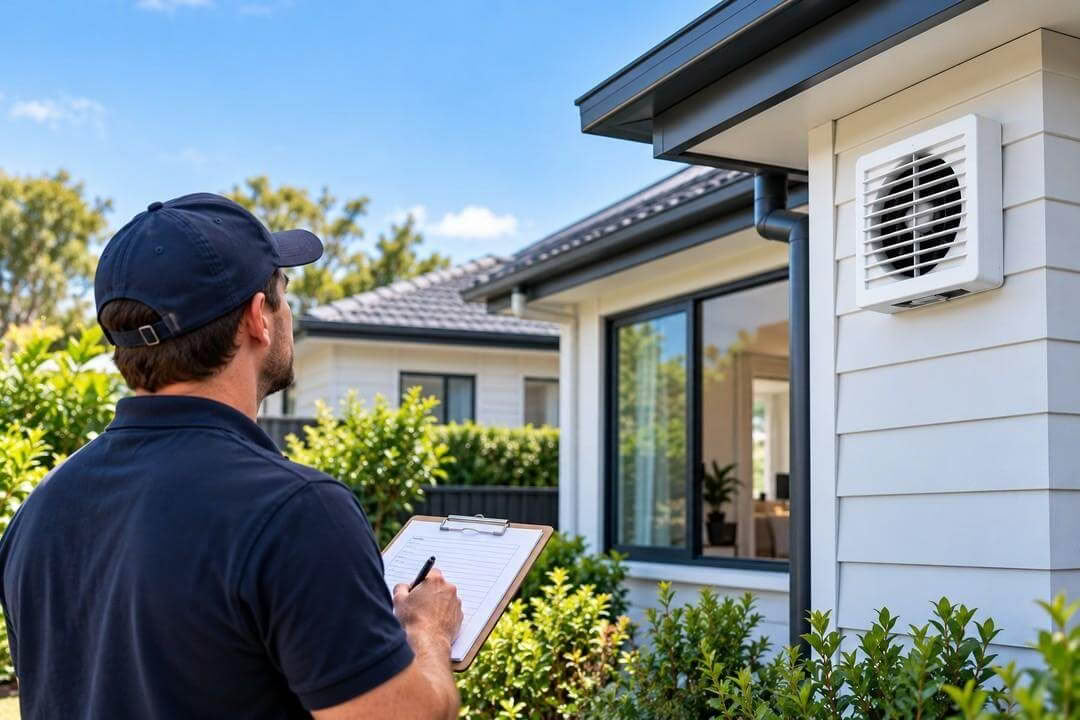
Before spending anything, find out what’s already installed and whether it meets the standard. A lot of rentals already have a bathroom extractor fan — the question is whether it’s ducted outside or just venting into the roof space, which doesn’t count.
Step 2 — know what’s actually required
In short: habitable rooms need adequate openable windows, and the kitchen and bathroom need mechanical extraction ducted to the outside, meeting the minimum extraction rates set out in the standard.
A whole-home ventilation system isn’t strictly required by the standard, but it’s often the more cost-effective way to keep a rental dry between tenants and reduce maintenance call-outs.
Step 3 — install and document
Once extraction and any additional ventilation is installed, you need a Healthy Homes ventilation statement as part of your tenancy documentation, confirming what’s in place and that it meets the standard. We provide this documentation as part of every rental compliance job.
Managing more than one property
If you’ve got a portfolio rather than a single rental, it’s worth talking to us before booking each property individually. We can plan a staged rollout across multiple properties and offer portfolio pricing rather than treating each job as a one-off.
- Free assessment per property, no obligation
- Extraction ducted outside — the most common compliance gap we find
- Documentation supplied for your tenancy agreement
- Portfolio pricing for landlords with multiple rentals
Find Rental Ventilation Services in Your Area
RVS helps landlords assess and improve
ventilation in rental properties across its service areas in New Zealand. Whether you’re managing a single rental or a larger property portfolio, our team can help you identify ventilation requirements and discuss suitable solutions.
Arrange a free home assessment to understand your property’s ventilation needs and determine the next steps towards Healthy Homes compliance.
What happens if you don’t comply
Tenants can raise non-compliance with the Tenancy Tribunal, and penalties can be significant. Beyond that, a damp or poorly ventilated rental is harder to keep tenanted and more expensive to maintain over time — ventilation is usually the most cost-effective of the five Healthy Homes areas to fix properly.